The importance of outdoor play (and how to support it)
A growing body of research shows that children have better physical, mental and emotional health, and even improved learning, when they play outdoors. Here's why outdoor play matters – and how to help children get it.
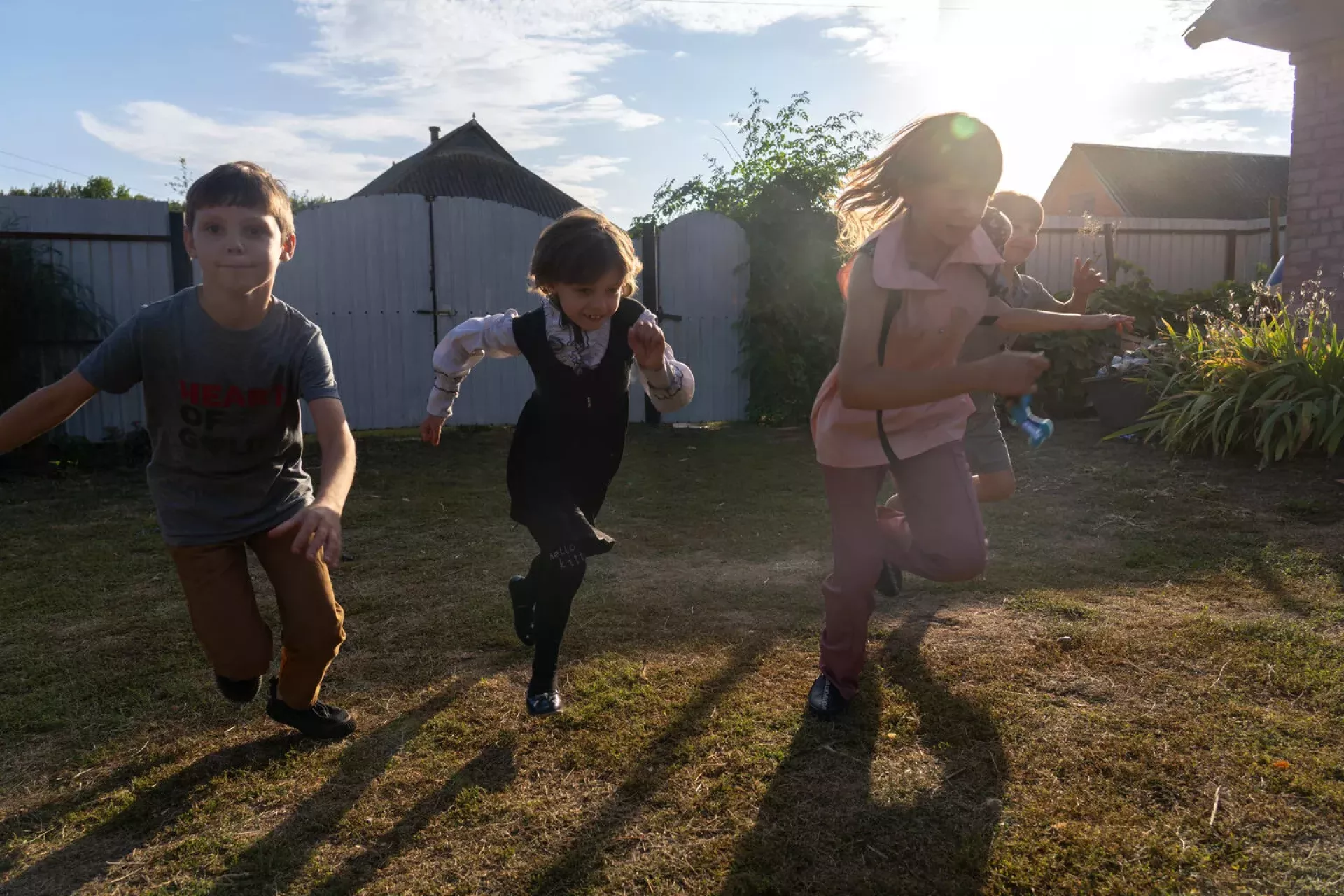
In many parts of the world, children are spending less time outdoors than ever. This outdoor play 'deficit' is more pronounced for some children than others. Studies have found, for example, that girls, children from racial or ethnic minority backgrounds, and children who live in urban areas may be less likely to spend time outdoors. Children are also less likely to play outside the older they are, although outdoor activity benefits children of all ages.
But even as the amount of time children are spending outdoors is decreasing, the amount of research showing that outdoor play is hugely important for children's development has grown. Dozens of studies have now found that spending time outdoors, especially in free play, benefits children's physical health, social skills, and even their concentration and school readiness.

Here is what we know so far about how outdoor play benefits children – and how to help your child play this way, no matter where you live.
The benefits of outdoor play
One of the most obvious benefits of outdoor play is that, usually, it means children are physically active. The World Health Organization recommends that children aged one to four spend at least three hours a day being physically active, while children aged five to 17 get at least 60 minutes a day of moderate-to-vigorous physical activity. However, they note, more is better.
Many children fall short of these recommended amounts. Like adults, they are spending more hours than ever before sitting – either at desks, or on screens.
Because outdoor play is usually physical in nature, getting children outside can help make up for this deficit. In fact, one study found that children who spent at least two hours a day outside had 27 per cent more moderate-to-vigorous physical activity than children who did not. This is likely why outdoor play has been found to have benefits for children's cardiovascular and overall physical health.
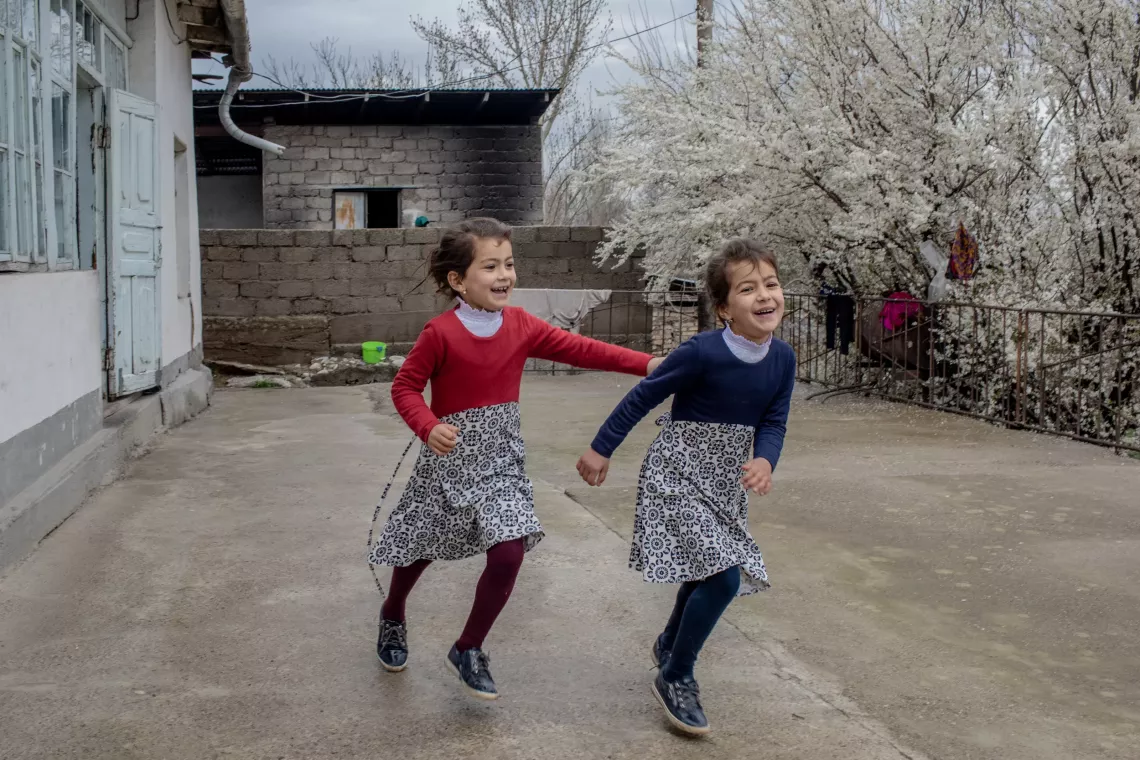
Spending time in green space may also improve children's mental and emotional well-being. A growing body of research has found that children who spend more time in green spaces, such as wooded playgrounds or gardens, have better focus, lower stress levels and better emotional resilience.
It may even help improve ADHD symptoms. A larger study of preschoolers in Norway found that the more time outdoors they spent each day, the less likely they were to show ADHD symptoms.
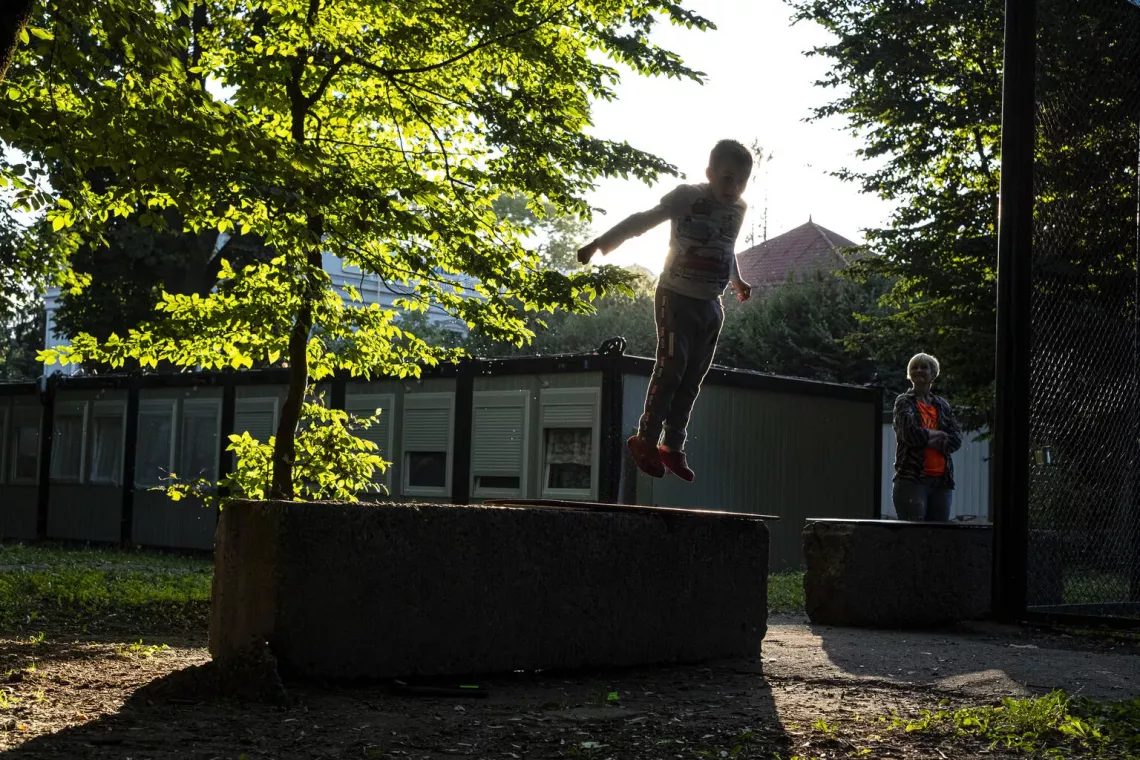
Children are also more likely to take risks when they are playing outdoors – think climbing trees, or jumping from a height. A growing body of research has found that this kind of risk-taking outdoors not only helps children get the physical activity that they need to be healthy and strong, but promotes children's resilience, creativity and their social skills.
It may even help children be more social. Studies have found that children interact cooperatively, using more language and creativity, when they are in a green area. But they are more likely to compete with one another, particularly on the basis of physical abilities like how fast or strong they are, in artificial play areas like playgrounds.
All of this may be why outdoor play has been linked to better school readiness in preschoolers.
How to get your child outdoors
There are many barriers to children getting the outdoor play time that they need. Sometimes, without meaning to, parents can play a role. It is easy to think that free play outdoors isn't as important for a child's development as a more academic activity, or a sport, for example. But this is untrue.
We can also be held back by concerns about the weather, or getting dirty. But as long as children are dressed appropriately and comfortably, this does not need to keep them from playing outside. Often, preschools and forest schools send children outside to play every day no matter the weather.
While we often are unconscious of these beliefs, many of us also have biases about which children "need" the physical activity, or can "handle" adventurous play. In particular, girls are less likely to be sent outdoors to play than are boys. The older children get, the less outdoor play time they get too. But girls, older children and adolescents all benefit just as much as other children from outdoor play.

Of course, not everyone has a back garden or a nearby forest to send children to play in. As more and more children grow up in urban areas, fewer are getting access to green space. It also isn't always safe to send children to play outdoors, whether because of nearby traffic, air pollution or heat waves.
In these cases, it is important to remember that anything is better than nothing. One small study, for example, found that even a 20-minute walk in a park improved the concentration of children with ADHD – more than a walk downtown or in a neighbourhood. It might be worth considering whether there are any small changes you can make to your family's routines, such as taking a path back from school that goes through a park or wooded area (even if it takes a little longer).
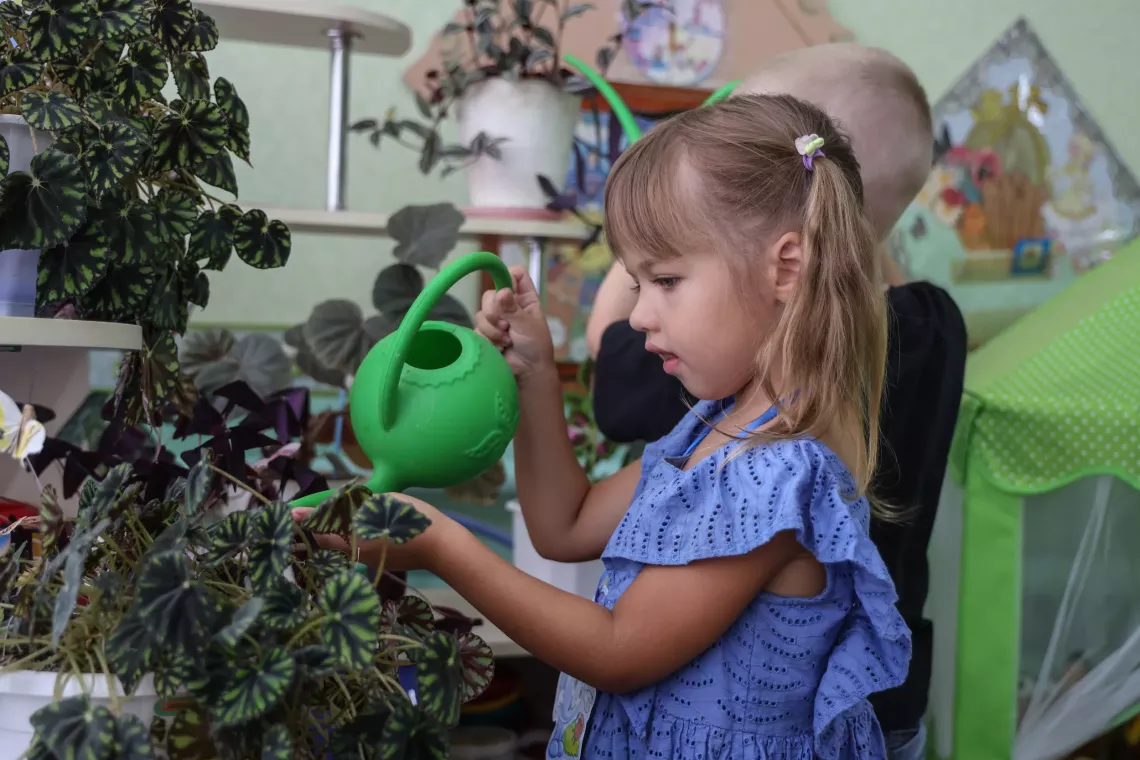
It's also important to note that even a small green space can make a difference to children's wellbeing. Researchers found that when they changed just part of an asphalt play area into an area with plants and grass, the children who played there became less aggressive than when they played on the asphalt. If you have any space at all, even a small patio or balcony, it might be worth considering whether you can introduce any green elements that your child might enjoy. This could be just some outdoor pots with plants, a birdfeeder, or a squirrel feeder.
You can also make a difference in your own community. Share with your child's school, or with your town council, what you've learnt about the importance of children playing outdoors. Together, communities can work to preserve parks, forests and fields, offer forest playgroups and schools, and include getting out into nature as part of school curricula. These initiatives won't just benefit children – they'll benefit everyone else, too.